Living heritage
Temples, gardens, textiles and performing arts are still part of local life, not merely preserved museum objects.
There is Japan you photograph, and Japan you begin to understand. Beyond the big-city highlights lie rituals, crafts, food traditions and landscapes that reward a slower journey.
Discover the deeper Japan ↗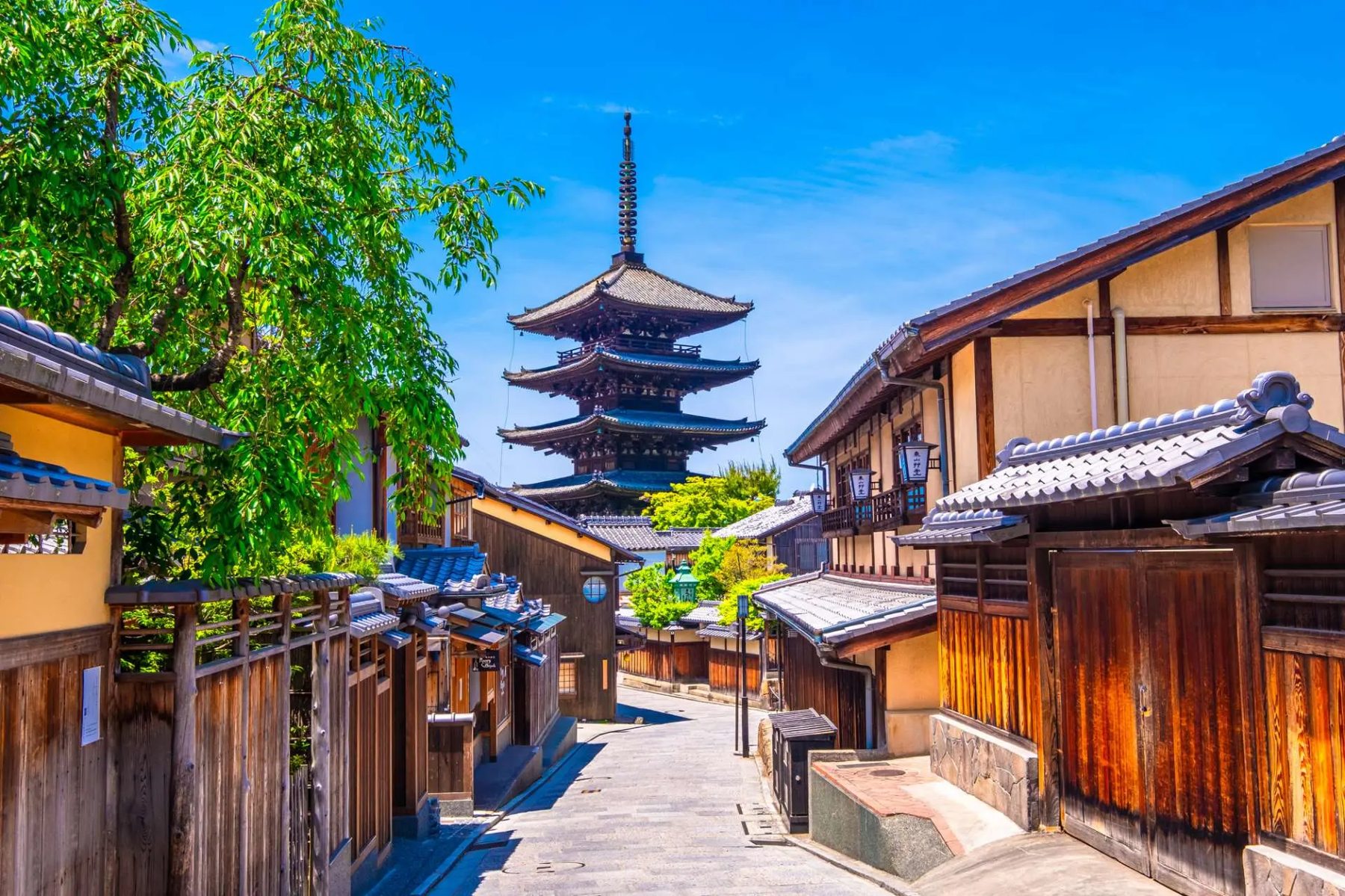
For travellers arriving from Europe, Japan is both surprisingly approachable and endlessly layered. Fast rail services connect major centres, while quieter valleys and islands preserve distinct foodways, architecture and living traditions. The reward is not simply a long list of landmarks: it is learning how local communities relate to seasons, craft, ritual and landscape. The five chapters below offer a starting framework for a more meaningful journey.
Temples, gardens, textiles and performing arts are still part of local life, not merely preserved museum objects.
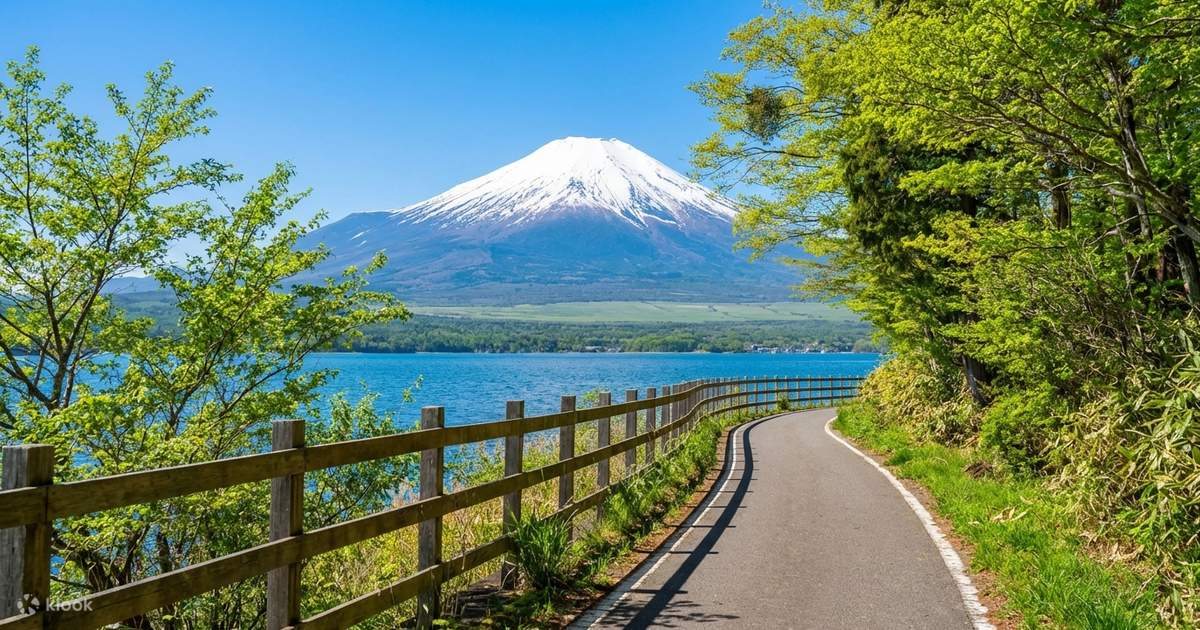
Snowbound northern communities, alpine valleys, volcanic landscapes and subtropical islands demand very different itineraries.
Food, flowers, festival calendars and garden design reflect the time of year; no single season can show the whole country.
From ceramics to lacquer, indigo dyeing and woodworking, everyday objects offer a practical way to explore history.
Intercity trains can make multi-region travel practical, although rural connections require independent planning.
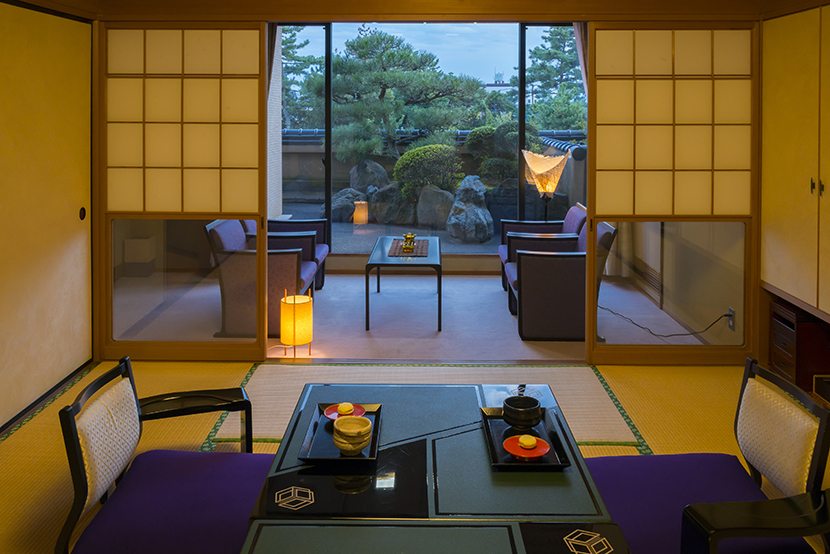
Ryokan stays, shared meals and small local workshops become richer when visitors understand their etiquette and purpose.
Understand what you are seeing before you arrive — and discover how to experience it thoughtfully.
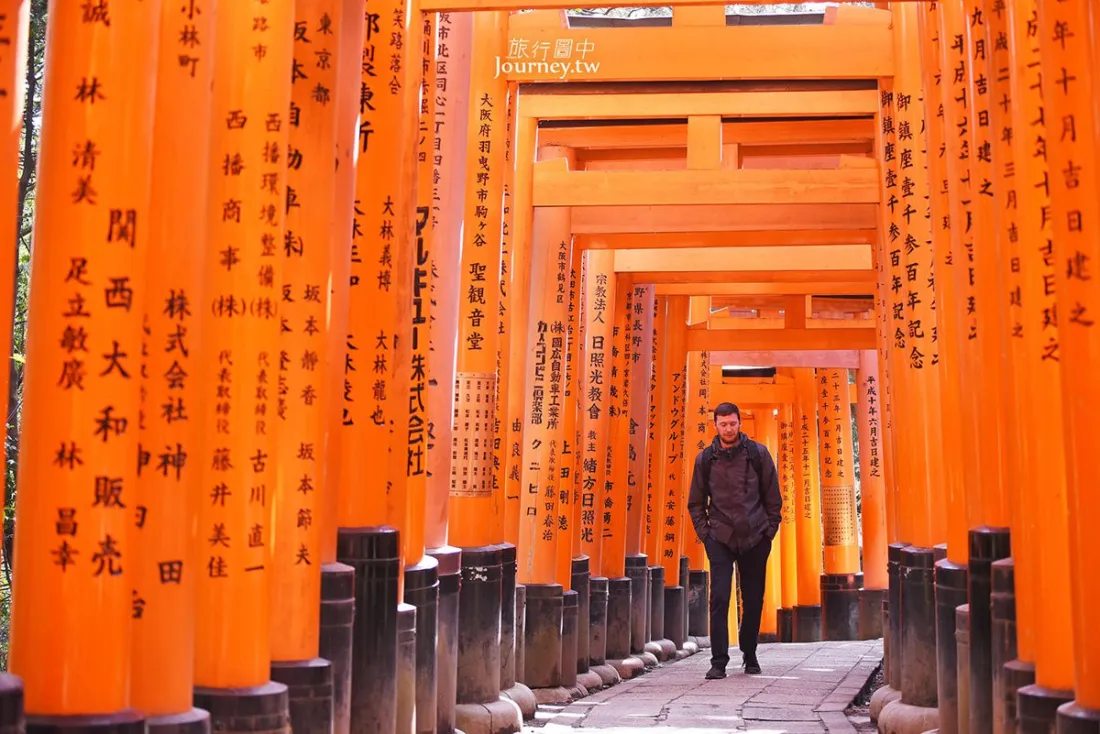
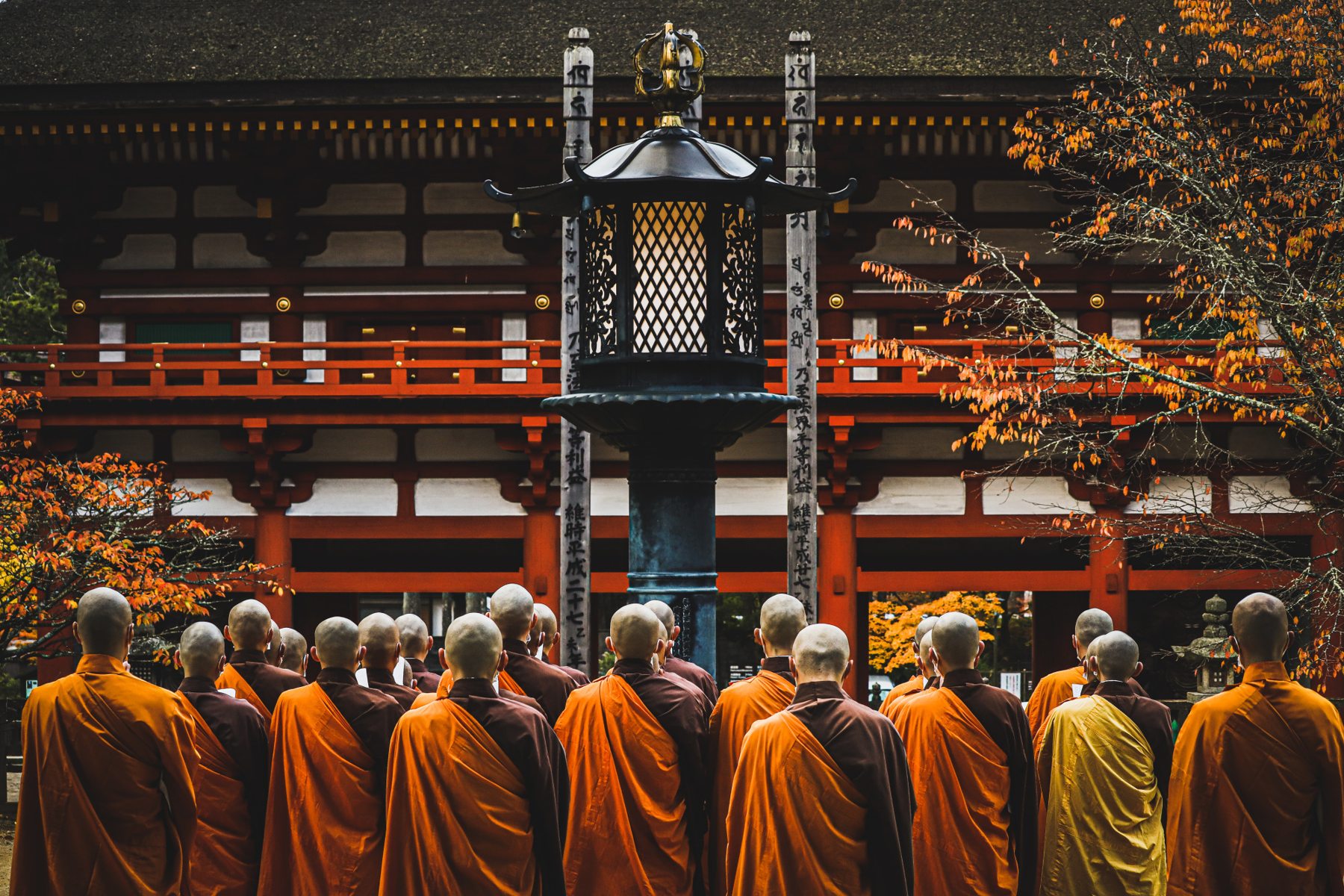
Shinto is commonly described as an indigenous tradition centred on kami—presences associated with natural features, places and ancestors—whereas Buddhism arrived from the Asian continent and developed many schools and practices in Japan. For centuries, the two were intertwined; treating every site as belonging to one neat category misses that history. At a shrine, look for a torii gate, a purification basin and an area for offering prayers. At a temple, the main hall, Buddhist images, incense and cemetery landscapes tell different stories. Neither is merely a photographic backdrop.
Consider a morning in Kyoto beginning at a neighbourhood shrine rather than the famous gates alone; continue to a temple where gardens and architecture illustrate Buddhist ideas. In Ise, the rebuilding tradition of the Grand Shrine is connected with craftsmanship and renewal. A stay in Kōyasan may include vegetarian temple cuisine and opportunities to observe services, with rules varying by lodging.
Ask permission before photographing ceremonies, respect roped-off areas, and never obstruct local worshippers. Removing shoes, purification practices and prayer gestures depend on the site; posted guidance always takes priority.
Thresholds, architecture and the respectful coexistence of religious and community life. Observe the distinction between public tourism space and spaces still used for ceremonies.
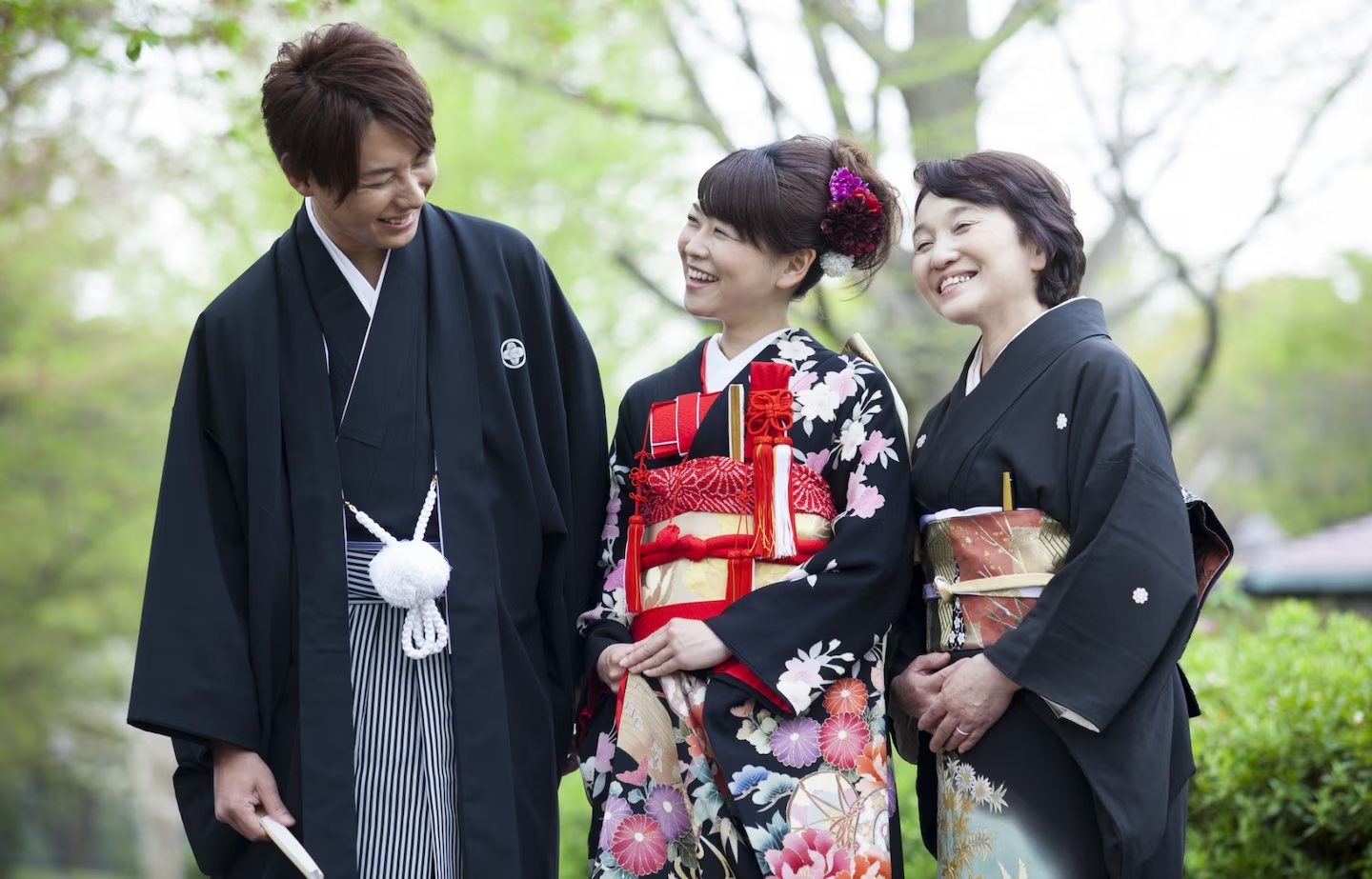
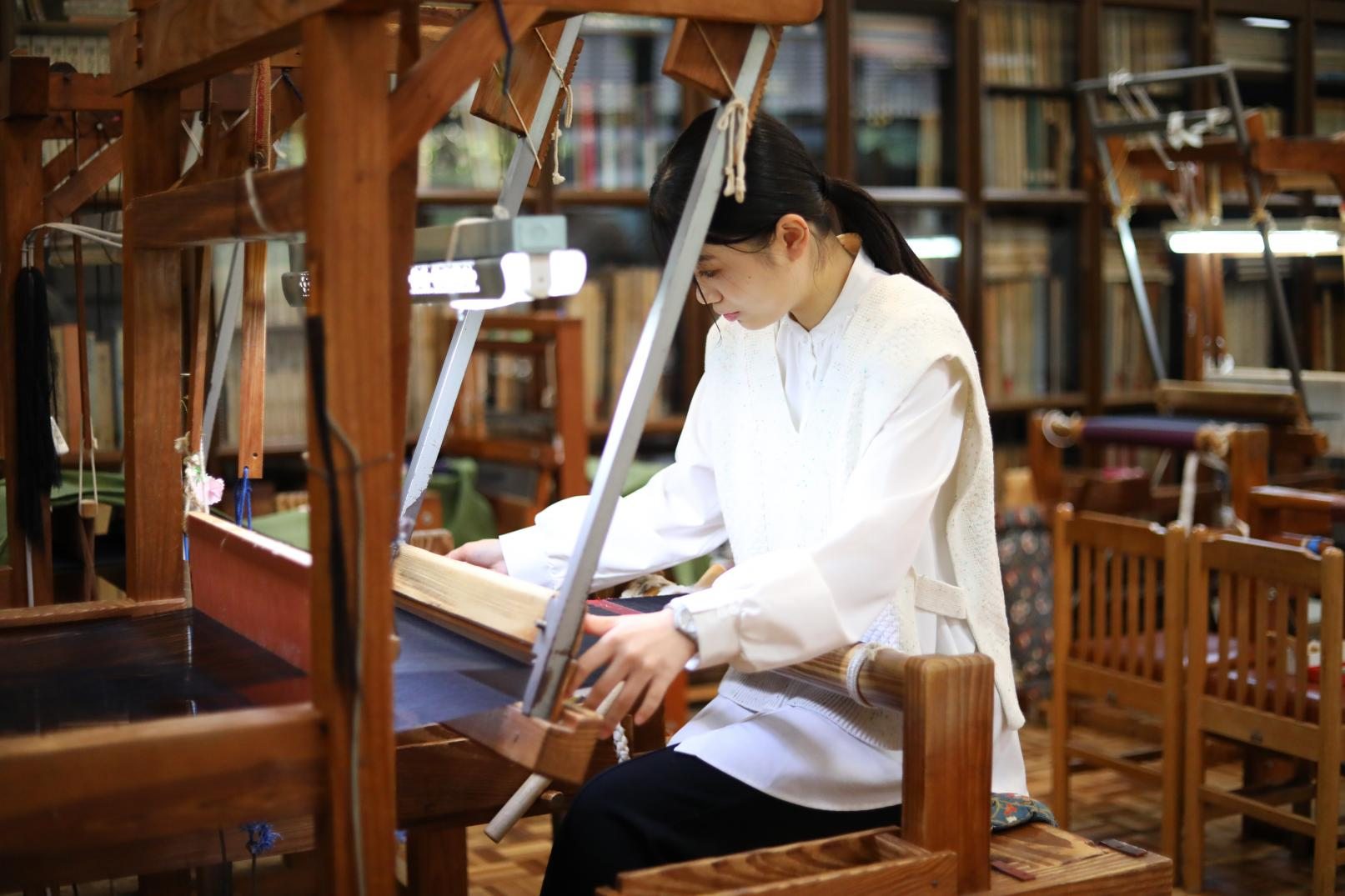
Kimono is a broad category of dress rather than a single frozen historic costume. Formality, season, fabric and occasion shape what is appropriate; an elaborate silk garment worn at a ceremony has a different role from a cotton yukata at a summer festival. The obi is more than a belt, and textile methods such as weaving, resist dyeing and embroidery reflect specialised labour. Clothing also opens a window into contemporary Japan, where artisans preserve skills while designers create new interpretations.
In Kyoto’s Nishijin area, look for small workshops explaining loom work and patterns. Kanazawa is known for Kaga-yūzen dyeing, while Arimatsu near Nagoya is associated with shibori tie-dye techniques. A good kimono experience includes a trained dresser and cultural interpretation, not only a photo session.
Traditional garments are normally wrapped left over right when worn; the reverse convention is associated with funerary dressing. Avoid touching other people’s clothing without consent. Do not assume every person in traditional dress is a paid performer or willing to be photographed.
Seasonal motifs, regional materials, the work involved in an obi, and how garment choice changes according to the occasion.
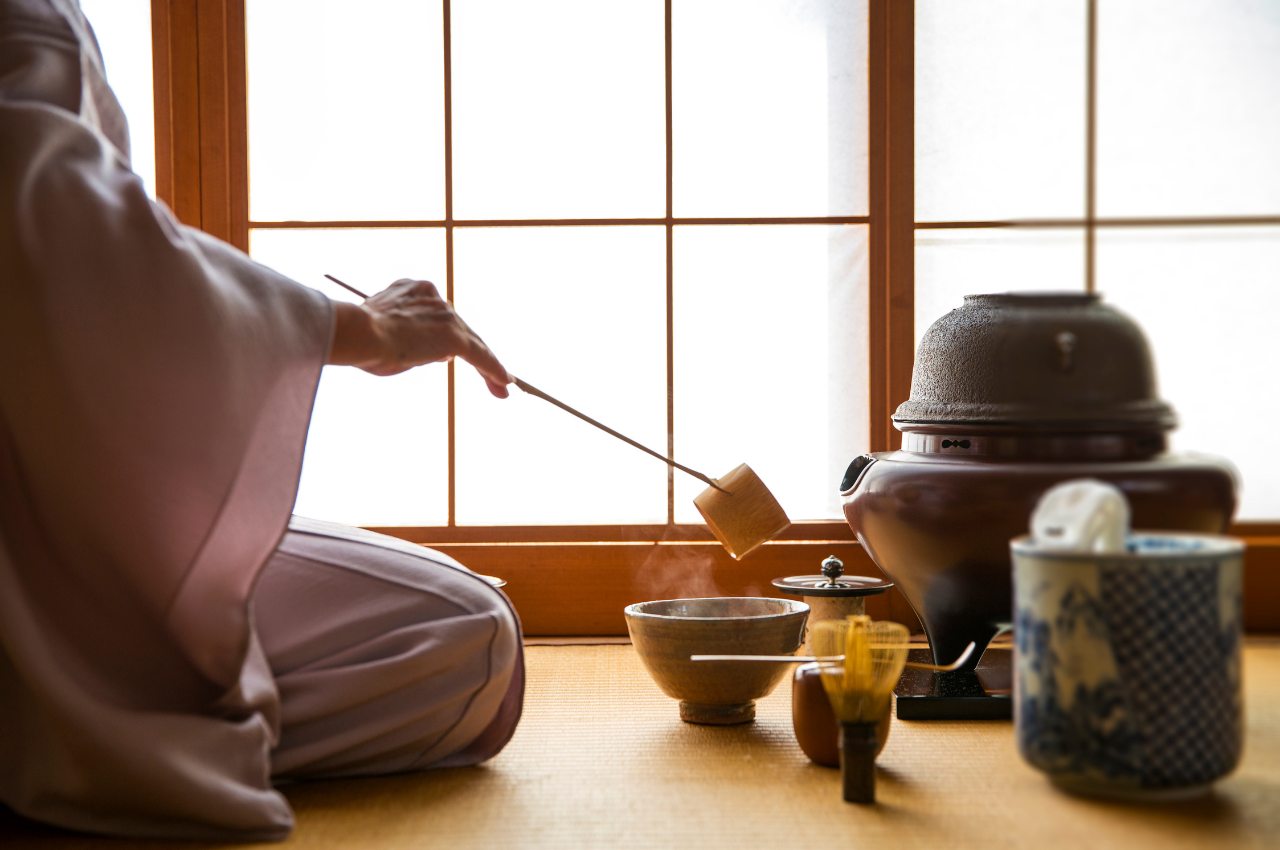
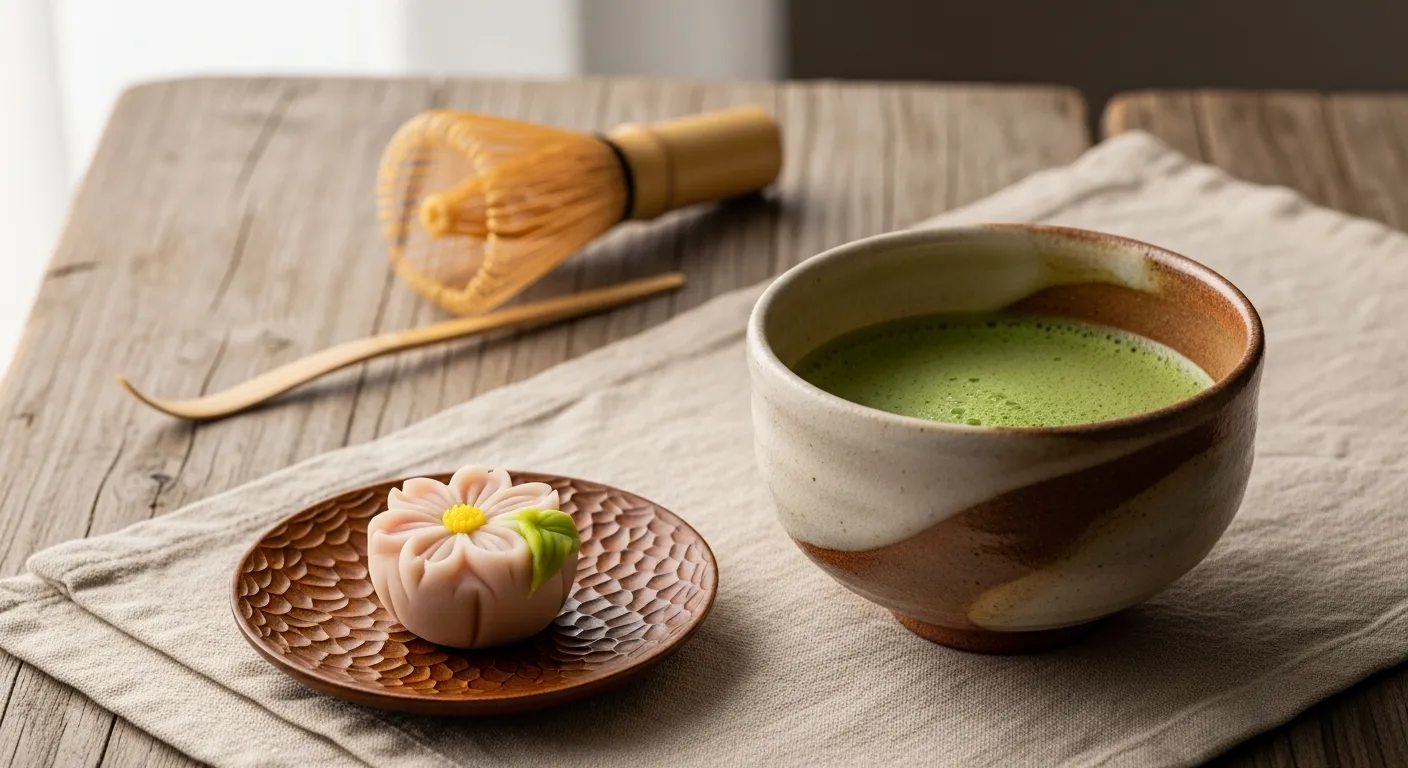
The tea practice known as chanoyu is not simply the act of drinking matcha. Its setting may involve calligraphy, flowers, seasonal sweets, ceramics, prescribed movement and a carefully considered relationship between host and guests. Sen no Rikyū is an important historical figure, but tea practice developed through multiple teachers and schools. The phrase ichigo ichie is often used to express the importance of appreciating a meeting that cannot be repeated in precisely the same way.
An introductory session with explanation in Kyoto, Uji or Kanazawa is more informative than a hurried demonstration. Compare matcha preparation in a tea room with a visit to a tea-growing landscape in Uji or Shizuoka. Notice the bowl’s weight, the relationship between architecture and garden, and how the seasons appear in utensils and sweets.
Arrive punctually, wear clean socks if requested, and avoid strong perfume in small tea rooms. Hosts may explain how to turn or handle the bowl; follow the individual school’s directions rather than treating one online etiquette list as universal.
The host’s attention to seasonal details, the relationship of garden and room, and the role of ceramic bowls as objects of craft.
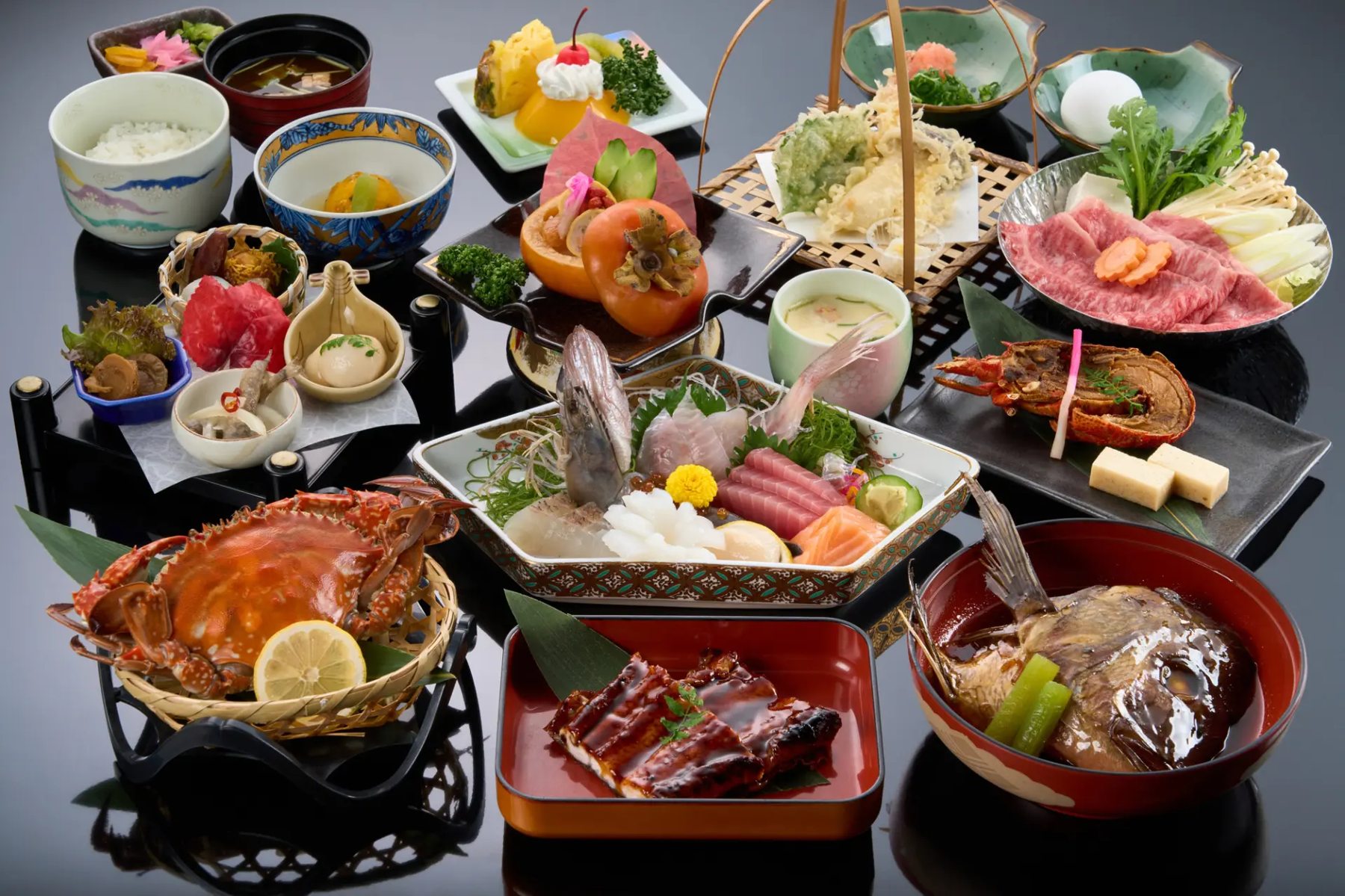
Washoku—traditional dietary cultures of the Japanese—was inscribed on UNESCO’s Representative List of the Intangible Cultural Heritage of Humanity in 2013. Its emphasis on seasonality, ingredient respect and shared meals can be explored at both formal restaurants and humble counters. Modern kaiseki is not the whole of Japanese cuisine: every region has distinct staples, preserved foods, noodles and seafood shaped by climate, trade and local history.
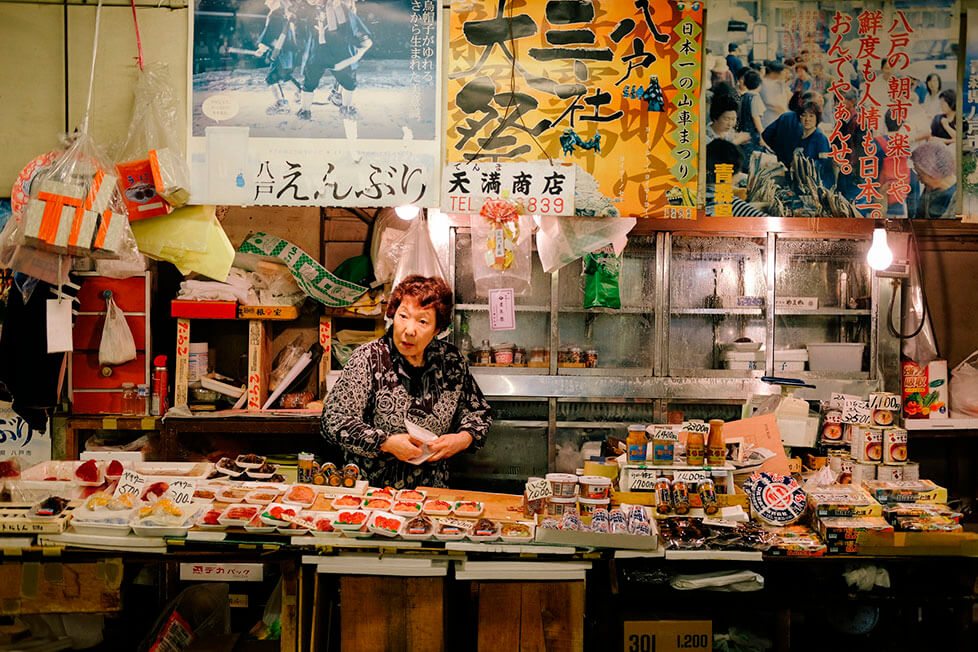
Trace a journey through regional dishes: soba and mountain vegetables in Nagano, miso and fermentation traditions across central and northern Japan, Kyoto tofu and vegetables, Setouchi seafood, and Okinawan dishes reflecting distinct Ryukyuan heritage. Market visits and local cooking classes provide more context than repeating the same sushi dinner in every city.
Communicate serious allergies in writing and in advance; not every kitchen can avoid cross-contact. Some small establishments require reservations. Do not enter with strong fragrances, photograph staff or diners without permission, or leave a multi-course meal early without arranging it.
Seasonal menus, variations in regional ingredients, fermented foods and the stories behind local family-run businesses.
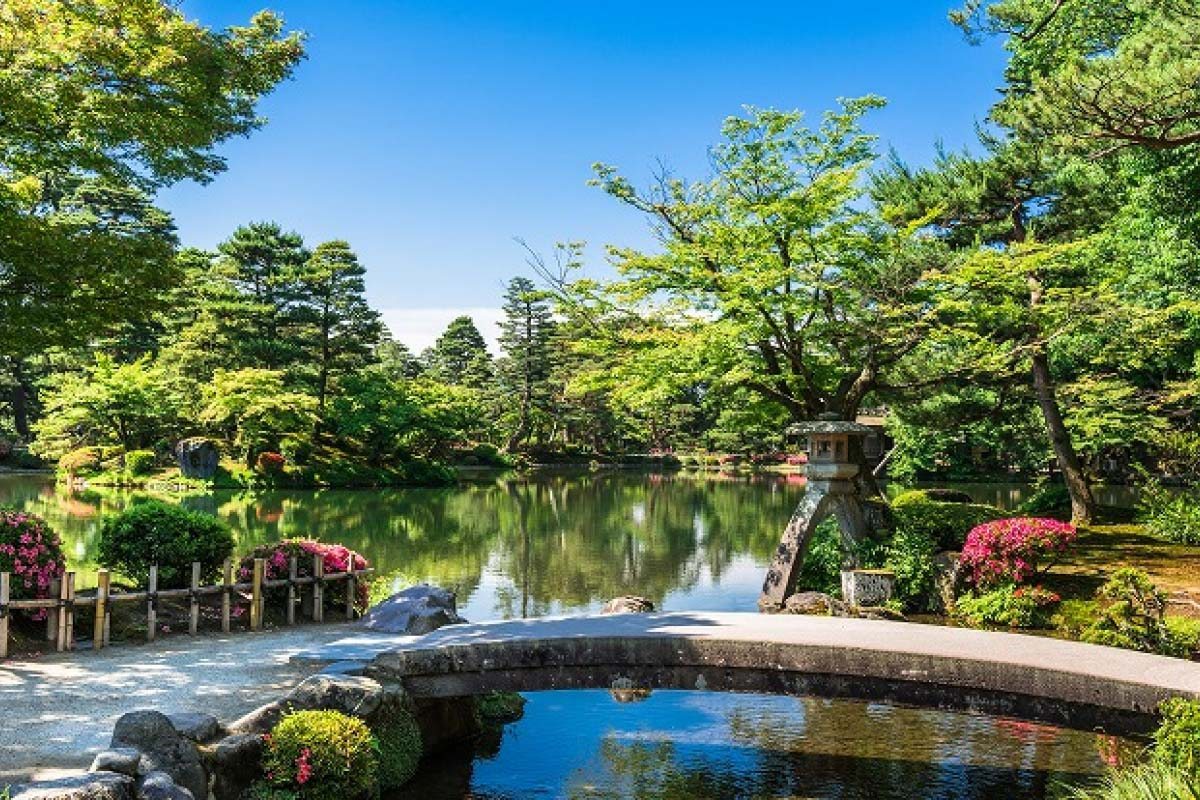
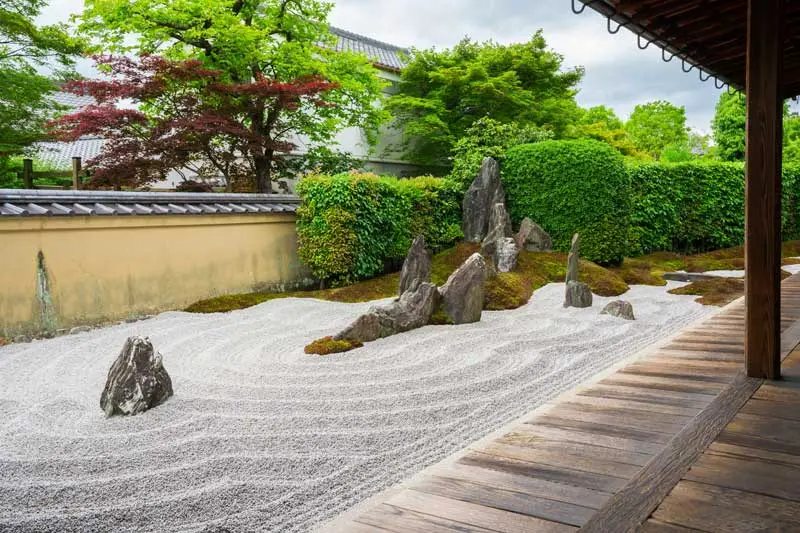
Japanese gardens are not a single fixed style. Strolling pond gardens choreograph changes of scenery as the visitor walks, while dry-landscape compositions use rocks, gravel and space to evoke broader worlds. Tea gardens create a subtle transition toward the tearoom. Garden design also responds to topography, patronage, climate and historical periods; interpreting every garden as a generic expression of “Zen” flattens important differences.
Compare the contemplative stone arrangement at Ryōan-ji with Kenrokuen’s expansive seasonal landscape in Kanazawa and the broader sightlines of Okayama Kōrakuen. Spend time in smaller temple gardens as well. Visit at different hours or seasons to notice how shadows, moss, water and foliage change the intended views.
Stay on paths and respect closed areas. Do not move gravel or stones, touch delicate moss or enter a garden space designed to be viewed only from a veranda. Quiet observation is part of the experience.
Borrowed scenery, transitions from open to enclosed space, views that unfold as you move, and how water or stone expresses scale.
Use these regional starting points to shape an itinerary around culture rather than simply ticking off landmarks.
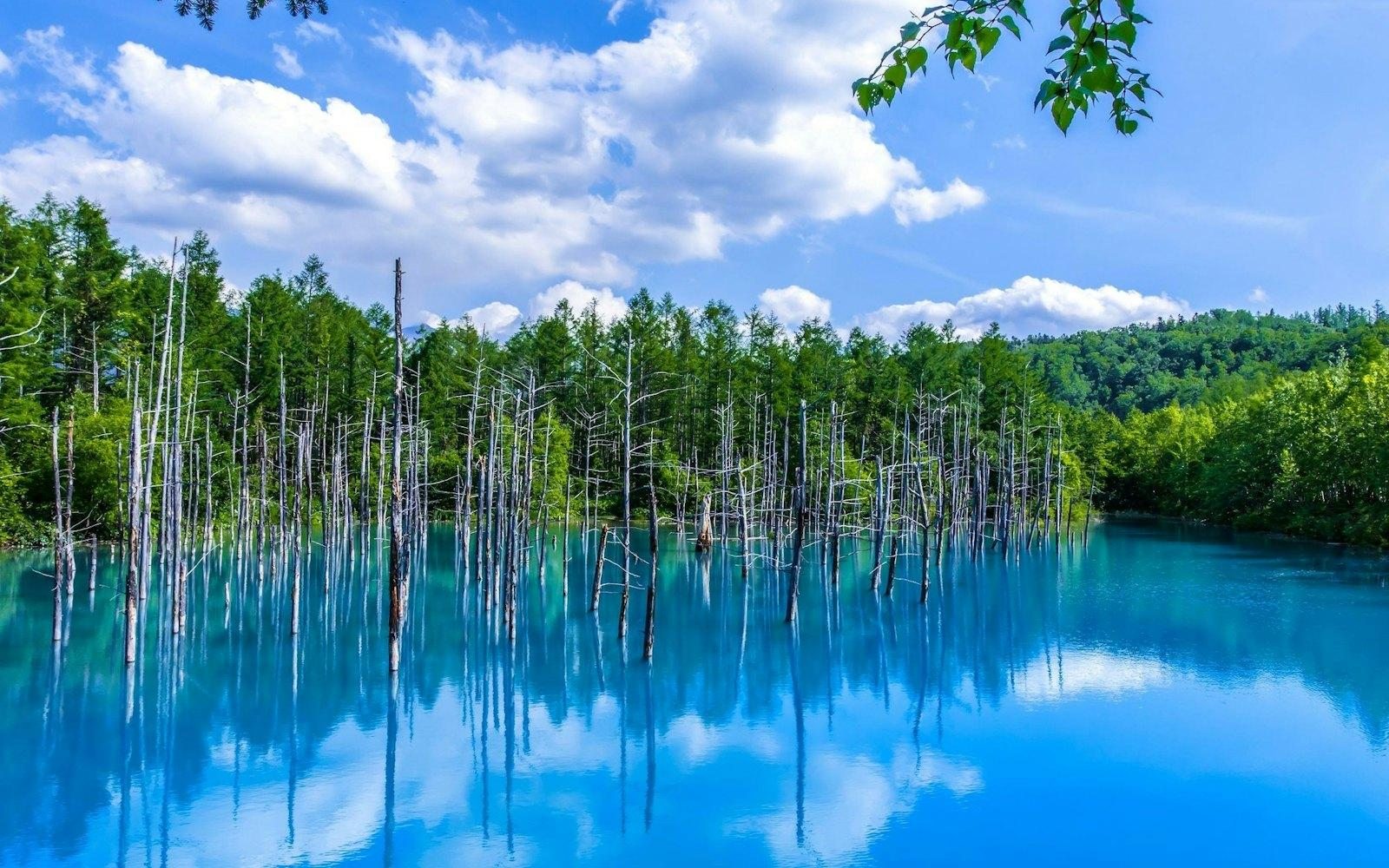
Explore the Upopoy National Ainu Museum and Park in Shiraoi, volcanic landscapes around Akan-Mashu or Daisetsuzan, and fishing communities. Winter travel needs extra buffer for weather; plan carefully if driving.
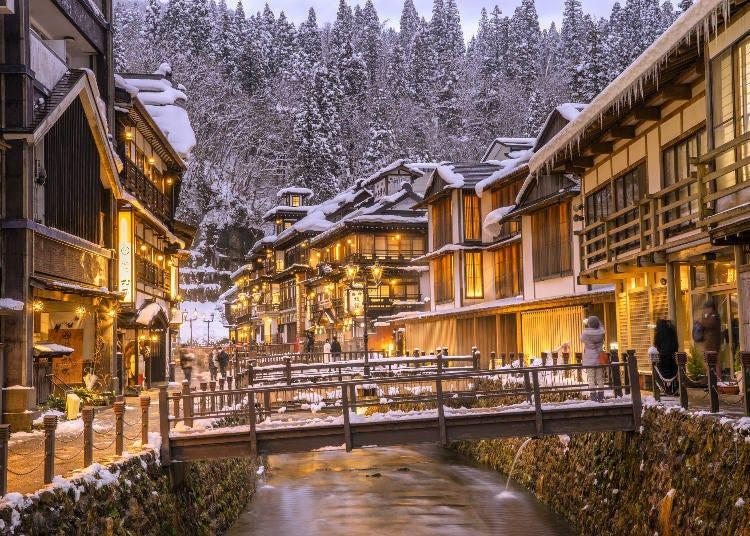
Visit Aomori’s festival culture, Akita’s craft communities, Hiraizumi’s Buddhist heritage and quiet onsen villages. Public transport becomes less frequent away from main routes; build in overnight stays.
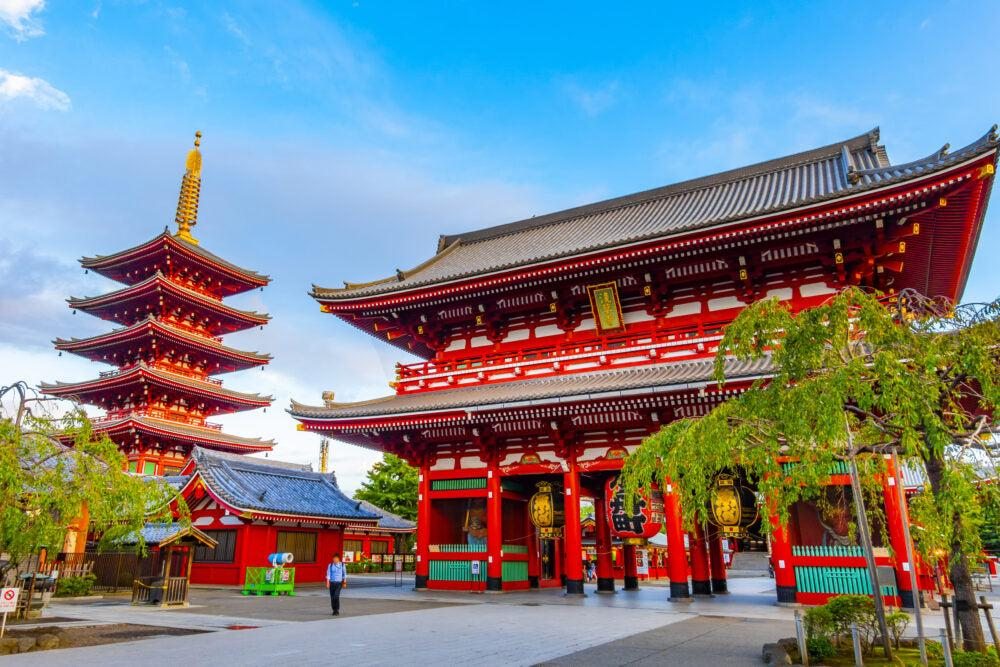
Combine Tokyo’s everyday neighbourhoods with Kamakura’s temples, Nikkō’s richly decorated shrines and gardens, or smaller towns on the region’s edge. Travel early and avoid reducing Tokyo to shopping districts.
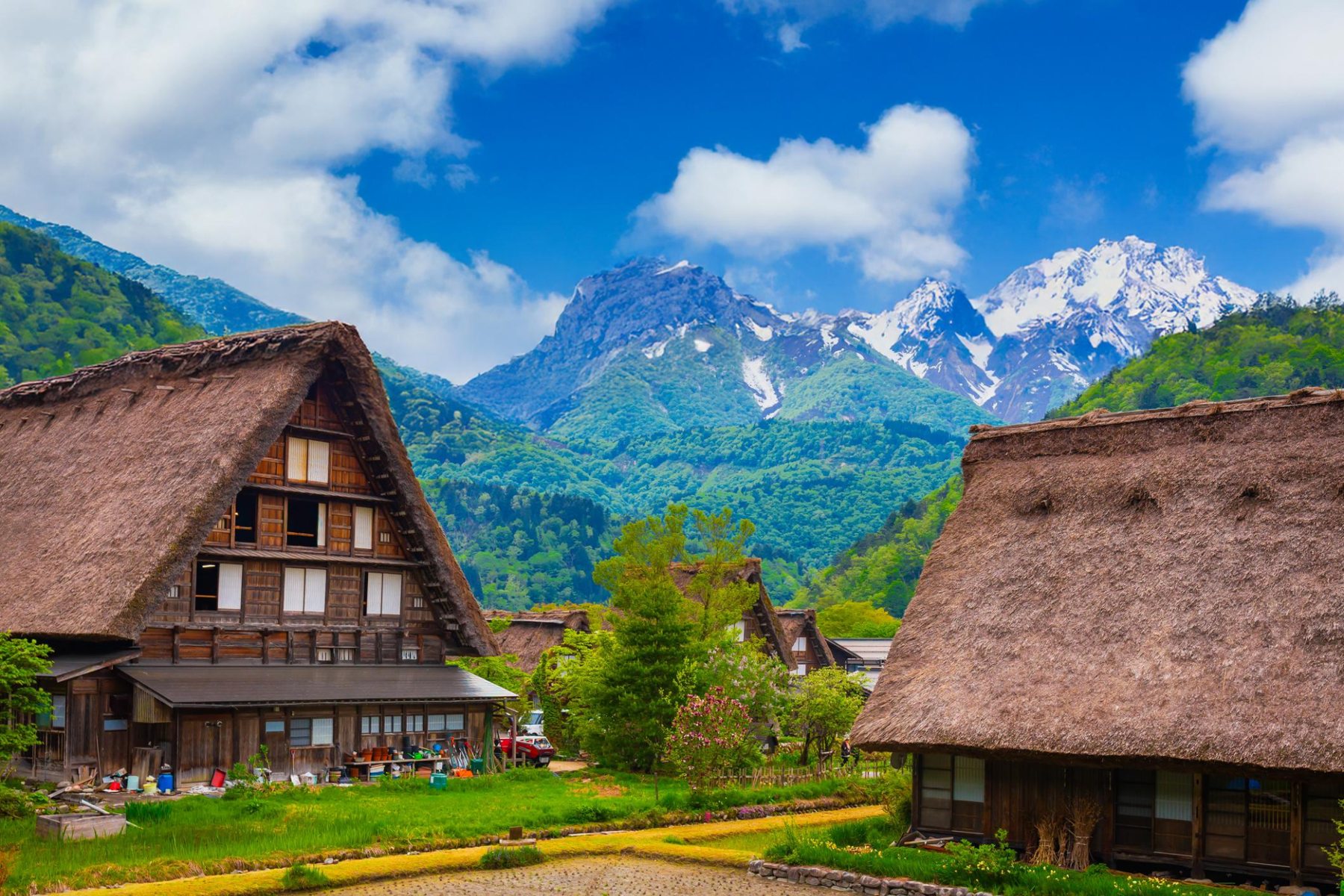
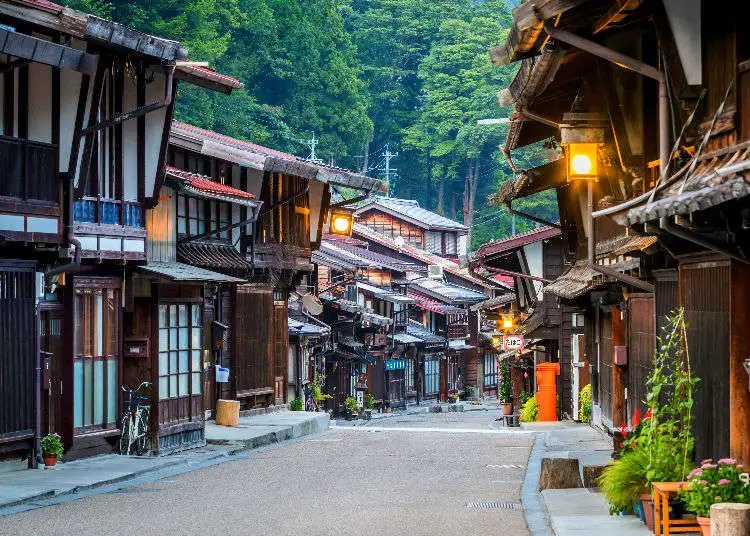
Travel via Matsumoto, Takayama or the historic Nakasendō corridor; explore Kanazawa’s gardens and workshops, and consider Nagano’s food and rural traditions. Alpine routes have seasonal closures.
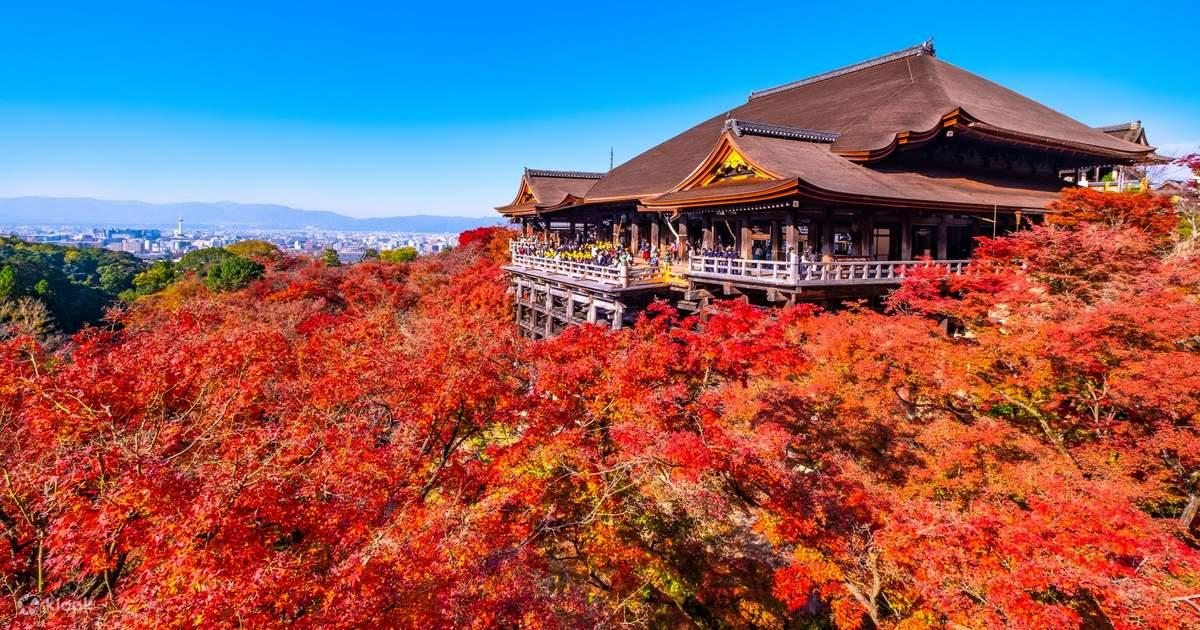
Kyoto, Nara and Osaka are important starting points; go farther to Kōyasan, Lake Biwa or rural Wakayama. Book cultural experiences in advance and avoid crowding residential streets.
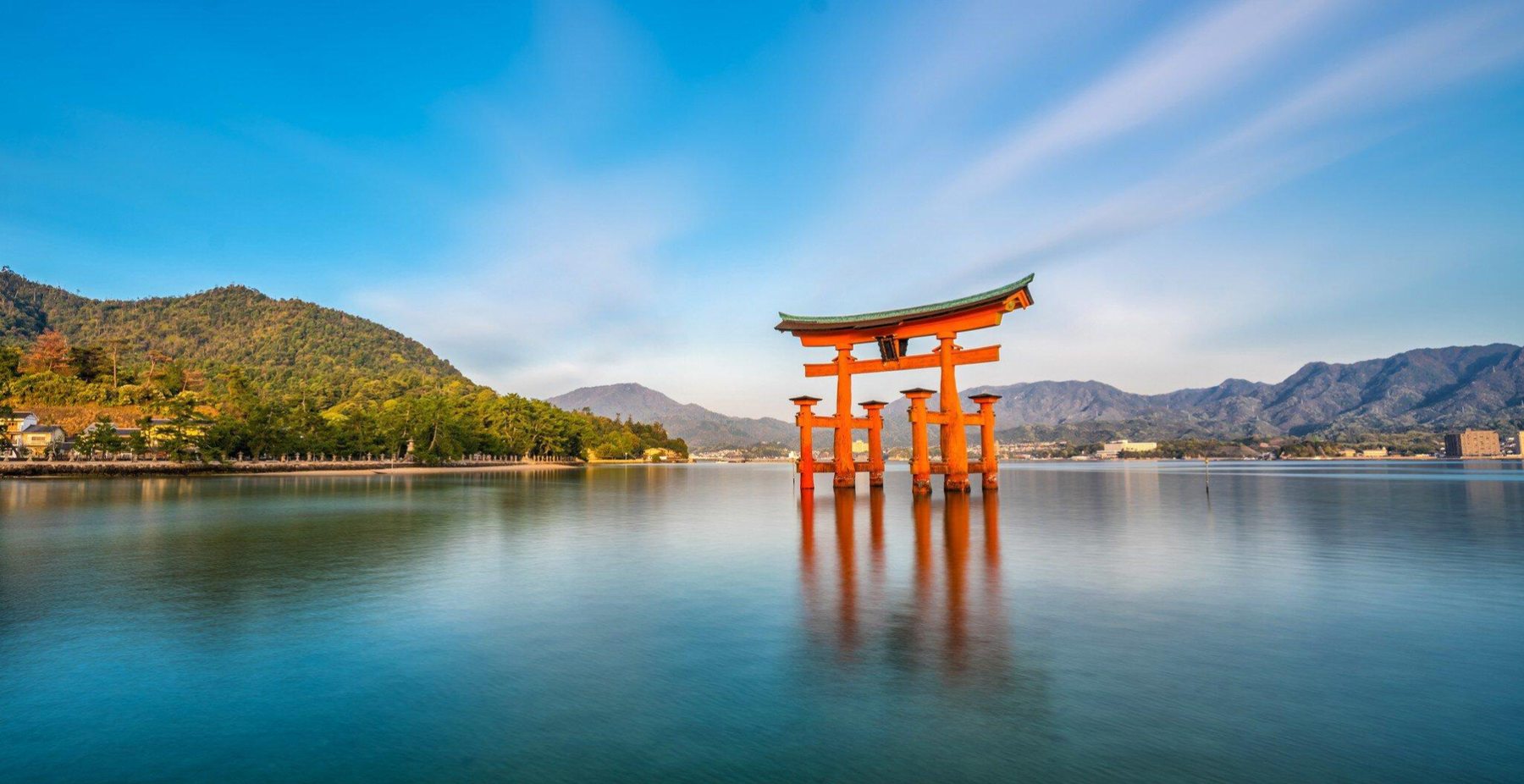
Explore Okayama Kōrakuen, Kurashiki’s old merchant district, Hiroshima’s peace history, pottery in Hagi, and San’in landscapes. Island travel needs ferry checks and realistic connection times.
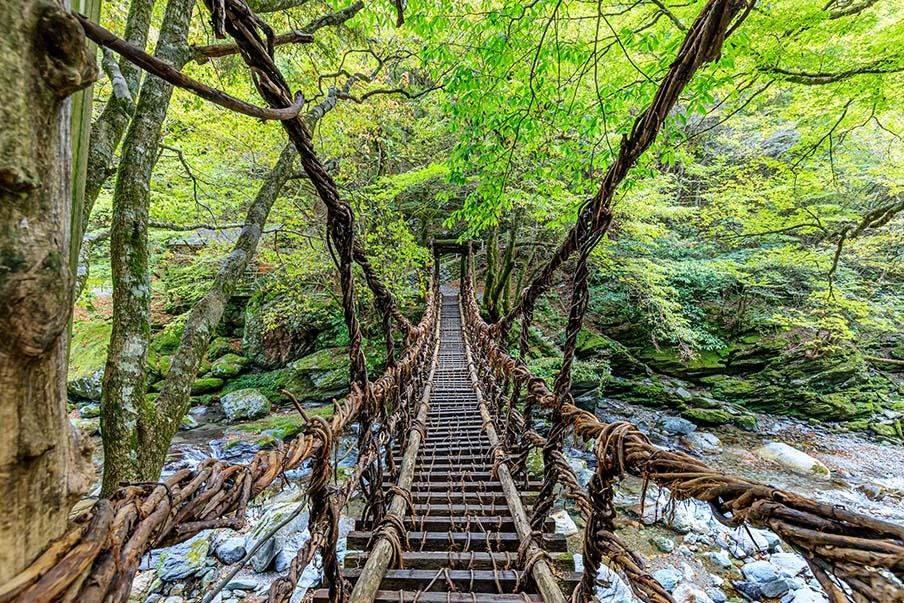
Trace portions of the 88-temple pilgrimage respectfully, learn about Tokushima indigo crafts, eat Sanuki udon in Kagawa and visit the Iya Valley. This region rewards slower, smaller-base travel.
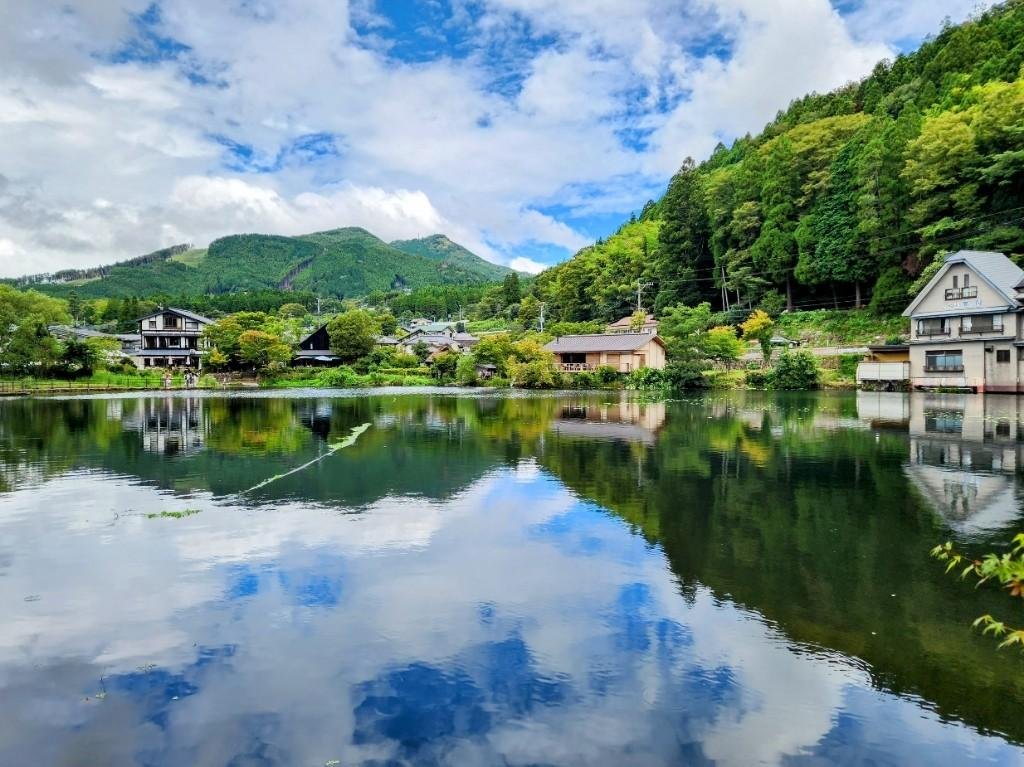
Kyūshū offers Beppu onsen, Arita pottery and volcanic terrain; Okinawa has separate Ryukyuan history, traditional music and subtropical nature. They are geographically and culturally distinct—allow adequate travel time.
Beyond landmark visits, experiences in small communities reveal how skills, hospitality and local landscapes shape everyday life.
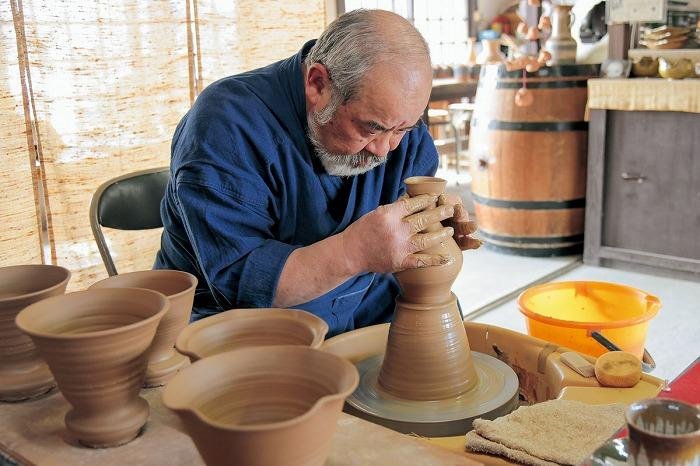
Observe the patience of a ceramic artisan and choose a workshop that explains techniques and local heritage.
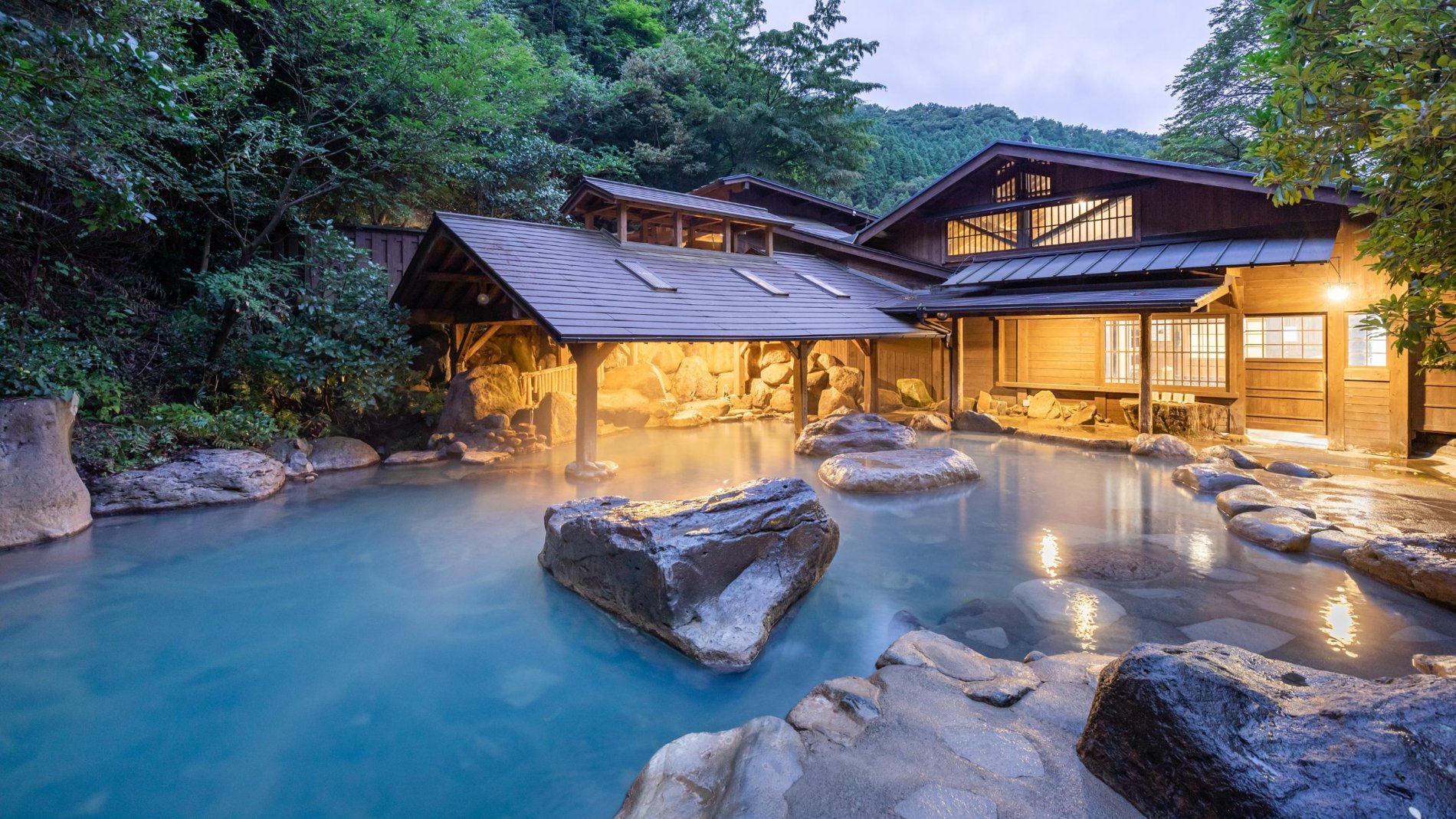
Slow down at a traditional hot-spring stay and learn bathing etiquette before entering shared baths.
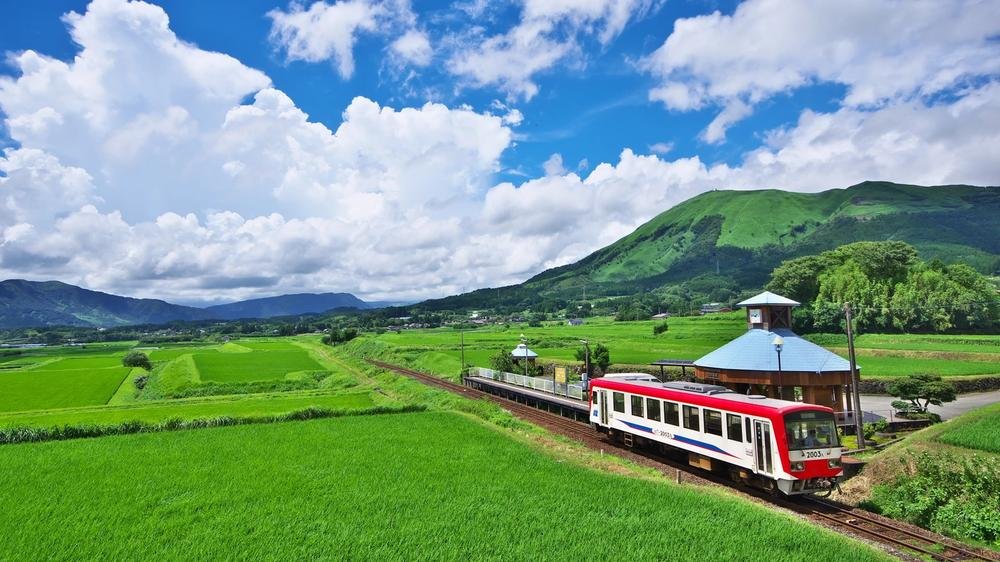
Use regional rail services as part of the experience, leaving time to explore towns beyond major transport hubs.
These are illustrative routes rather than fixed products. Confirm opening days, rail schedules and seasonal accessibility before travelling.
Three bases, a mix of urban life, craft and traditional architecture. Spend 3–4 nights in Tokyo, 2–3 in Kanazawa, and 4–5 in Kyoto with Nara or Uji as a day trip. Choose one hands-on cultural experience in each location.
Best for first-time visitors who want a balanced introduction rather than a checklist.Pair mountain villages and historic routes with urban museums and artisan workshops. Allow at least two nights in the smaller towns and investigate transport connections carefully, especially outside peak season.
Best for walking, local food, architecture and slow travel.Explore gardens, Setouchi waterways, peace history, pilgrimage landscapes, pottery and onsen culture. Shikoku’s local transport may be slower than intercity Shinkansen travel; make realistic choices about the number of stops.
Best for repeat visitors and travellers comfortable with regional transport.For a long-haul journey from Europe, allow time to adjust to the time difference. Two or three bases across ten to fourteen days often offer more depth than changing hotels every night.
Spring blossoms and autumn leaves are popular, but summer festivals, winter onsen towns and quieter shoulder-season weeks also reveal Japan’s character. Expect weather to vary strongly by region.
Keep voices low on public transport, follow local shoe-removal customs and check policies on photos, tattoos, bathing and rubbish. Regional etiquette varies; observe and ask politely.
Visit workshops and small museums where traditions are practiced today. Choose authentic paid experiences rather than treating cultural rituals as photo opportunities.
Japan’s rail network makes cultural journeys possible without constant driving, but rural areas may need buses, local trains or a hired car. Check transfers and service frequency ahead of time.
Historic residential streets are lived-in places. Avoid blocking entrances, follow photography restrictions and support small local businesses without expecting every community to serve tourism.
For a long-haul first visit, 10–14 days is a useful starting point; two or three bases allow time for both major cultural sites and slower experiences. Longer journeys let you add less-connected regions without constant hotel changes.
Major cities are well connected by rail, but rural trains and buses can run infrequently. Always check individual routes, last departures, luggage restrictions and local transfer times. A national rail pass is not automatically the cheapest option.
Spring and autumn are popular for blossoms and foliage, but bloom and colour dates shift by location and year. Summer brings festivals and humidity; winter brings snow experiences in the north and mountains. Typhoons may affect travel in some seasons, so use live forecasts.
Entry rules vary by nationality, passport and purpose of visit. Some European passport holders qualify for short visa-exempt tourism, but others do not. Check Japan’s official immigration or embassy guidance for your exact citizenship before booking.
Wash thoroughly before entering shared bathing water. Rules on tattoos, towels, swimwear and private baths vary by property. Check in advance rather than assuming one universal rule.
Stay longer in fewer places, choose less crowded hours, use public transport responsibly, respect residential streets and pay fairly for local craft experiences. Follow any current local restrictions on photography and access.
For the best reading experience, please open this Japan travel guide in Safari on your iPhone or iPad.